Living in rural Nigeria, you can’t really ignore the risk of running into snakes. For families out here, knowing how snakes behave, how to keep them away, and what to do in an emergency isn’t just useful — it can save lives. This guide cuts through the noise and gives you what you need to keeping dangerous snakes out of your rural Nigerian homes and your family safe from bites.
Common Dangerous Snakes in Nigerian Villages
Nigeria has plenty of venomous snakes, and they’re not just scary — they’re a real health threat. The carpet viper (Echis ocellatus) is the deadliest, especially up north during the rainy season. But it’s not alone. The black-necked spitting cobra, puff adder, and green mamba all show up in Nigerian towns and villages, and any one of them can be dangerous. Then there’s the Nigerian python. It doesn’t have venom, but don’t let that fool you.
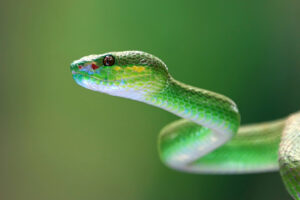
These snakes get huge, and their strength makes them a threat in their own way. You’ll often find them in the south, especially near the coast or in the forests. The more you know about which snakes live in your area, the better you can protect yourself.
Are Snakes Dangerous in Nigeria?
Snakebites aren’t just an occasional problem — they’re a serious public health issue here. Every year, thousands of people get bitten, and folks in rural communities deal with the worst of it. Without clinics or hospitals nearby, a snakebite can quickly turn deadly. That’s why it’s so important to know what you’re up against and how to react.
What Snakes Are Most Dangerous in Nigeria?
In Nigeria, the carpet viper is easily the most dangerous snake around. It’s behind about 90% of snake bite deaths. This snake doesn’t waste time—it’s aggressive, strikes fast, and its venom? Brutal. It attacks the blood, causing serious bleeding and tearing up tissue. But it’s not alone.
The black mamba is just as scary, maybe more so, since its venom goes straight for your nerves and can shut down breathing in a matter of hours. Then you’ve got the spitting cobra, which is basically a sharpshooter. It sprays venom right into people’s eyes from several feet away, and if you don’t get help, it can leave you blind.
How Common Are Snake Bites in Nigeria?
Snake bites happen all over Nigeria, and the numbers are pretty shocking—probably between 10,000 and 20,000 cases every year. The people who get bitten most are rural farmers, kids playing outside, or folks walking barefoot at night. Honestly, the real number’s probably even higher, since a lot of bites in far-off villages never get reported.
Snake Safety in Northern Nigeria
Up north, the problem’s even worse. Carpet vipers thrive in the dry savanna, especially around farms. Harvest season gets risky, with farmers working in fields where these snakes like to hide. Keeping these snakes out of your homes as a rural Nigerian dweller is very important.
Snake Safety in Southern Nigeria
Southern Nigeria’s tropical rainforest environment supports different snake species including pythons, cobras, and green mambas. The dense vegetation and higher rainfall create more snake habitats near human settlements. Communities in riverine areas face additional risks from water-dwelling snake species.
Why Some Fail in Keeping Snakes Out of Their Rural Nigerian Homes
Down south, the rainforest changes the lineup. There, you’ll find pythons, cobras, green mambas—snakes that love the thick jungle and heavy rains. Villages close to rivers deal with extra trouble, thanks to snakes that hang out in the water. There’s really nowhere that’s totally safe.
What Attracts Snakes to Houses in Nigeria?
Rodent infestations represent the primary reason snakes approach homes. Rats and mice provide easy meals for snakes. If your home has a rodent problem, you essentially have a snake magnet.
Food storage areas attract both rodents and snakes. Improperly stored grains, corn, and other agricultural products create perfect hunting grounds for snakes seeking their prey.
Cluttered compounds with piles of firewood, building materials, or debris offer hiding spots that snakes find irresistible. These areas provide shade, shelter, and protection from predators.
Water sources during dry seasons draw snakes seeking hydration. Wells, water storage containers, and even leaky pipes can attract reptiles.
Cool, dark spaces provide relief from Nigeria’s intense heat. This explains why snakes often enter outdoor toilets, storage sheds, and under-house spaces.
Snake Risks During Rainy Season in Nigeria
Rainy season in Nigeria? It’s snake season, too. Floods push snakes out of their usual hiding spots and straight toward people. When their burrows fill with water, they don’t have much choice—they move to higher ground, which usually means homes, schools, and farms end up with some unexpected visitors.
Snake Activity During Flooding in Nigeria
Some snakes, like the African water cobra, actually love the wet. Once the rains start, they get more active, hunting frogs and fish in the flooded fields. That’s when people in rural areas see them more often, sometimes way too close for comfort. Every season has its own snake problems.
Dry Season vs Rainy Season Snake Risks Nigeria
When it’s dry, snakes gather around the last bits of water—so wells and streams get risky. But once the rains hit, snakes get on the move, popping up in places you wouldn’t expect as they look for somewhere dry.
In the north, carpet vipers become especially aggressive during the late rainy season. That’s when they’re mating, and you really don’t want to mess with a female guarding her nest.
Snake Safety Tips in Nigeria
So, what can you do? You need a mix of prevention strategies to keep your family safe. These snake safety tips help you cover all your bases and stay protected during the storms.
How to Keep Snakes Away from House in Nigeria
Maintain a clear perimeter. Keeping snakes out of your homes in rural Nigerian settlements involve intentional efforts. Cut grass and vegetation within 15-20 feet of your home. This snake-free zone eliminates hiding spots and allows you to spot approaching snakes before they reach your dwelling.
Seal all entry points. Inspect your home’s foundation, walls, and roof for cracks, holes, or gaps. Snakes can squeeze through surprisingly small openings. Use concrete, mortar, or steel wool to fill these access points.
Install door sweeps. Gaps under doors provide easy snake entry. Rubber or metal door sweeps create effective barriers while allowing doors to function normally.
Cover ventilation openings. Use fine wire mesh (quarter-inch or smaller) over all vents, ensuring snakes cannot enter while maintaining proper airflow.
Elevate storage. Keep firewood, building materials, and stored goods at least 18 inches off the ground and away from your house walls.
Snake Prevention in Nigerian Homes
Control rodent populations aggressively. Store food in metal or thick plastic containers that rats cannot chew through. Dispose of garbage daily in sealed containers. Fix holes in walls, floors, and ceilings where rodents might nest.
Remove water sources. Fix leaky pipes and faucets. Cover wells and water storage containers securely. Eliminate standing water where mosquitoes breed, as these also attract frogs—which attract snakes.
Use natural repellents. Plant lemongrass, marigolds, and garlic around your compound’s perimeter. These plants emit strong scents that deter snakes. Some communities report success sprinkling wood ash, tobacco leaves, or sulfur powder around homes.
Install outdoor lighting. Solar-powered lights around your compound make the area less attractive to snakes and help you spot them at night. Motion-sensor lights provide effective coverage without constant power consumption.
Create noise and vibration. Regular foot traffic and daily activities create ground vibrations that snakes avoid. Some families install wind chimes or use gardening activities to maintain a “busy” compound that snakes perceive as unsafe. If you can afford it, that can help in keeping snakes out of your rural Nigerian homes.
Snake Safety in Farms in Nigeria
Agricultural workers face particularly high snake risks. Implementing snake safety for farmers in Nigeria can prevent the majority of rural snake bites.
How to Protect Farmers from Snake Bites
Wear protective gear. Thick leather boots that extend above the ankle provide essential protection. Long pants made of tough fabric prevent bites to lower legs—where most snake strikes occur.
Use tools for clearing. Never use hands to move brush, firewood, or crop bundles. Use long-handled tools to probe areas before reaching in.
Work during daylight hours. Snakes are most active during dawn and dusk. Schedule farm work for mid-morning through mid-afternoon when visibility is best and snake activity is lower.
Stay alert in tall grass. Make noise while walking through fields. Stomp feet or tap the ground ahead with a stick. This gives snakes warning to move away before you arrive.
Clear farmland perimeters. Maintain cleared borders around cultivated areas. These buffer zones reduce snake encounters and make it easier to spot dangerous reptiles.
Snake Safety Tips for Families in Nigeria
Protecting children requires special attention, as they’re curious and may not recognize danger.
How to Protect Children from Snakes in Nigeria
Educate children about snake dangers. Teach them to recognize common dangerous species. Explain that all snakes should be avoided, even if they look harmless.
Establish safe play areas. Clear designated play zones of all vegetation and debris. Inspect these areas daily before allowing children to play.
Prohibit exploring. Teach children never to reach into holes, under rocks, or into dark corners. Curiosity about hidden spaces leads to many childhood snake bites.
Require proper footwear. Enforce rules about wearing closed shoes when playing outside. Flip-flops and bare feet leave children vulnerable to snake strikes.
Supervise outdoor activities. Young children should always have adult supervision when playing outside, especially near bushes, tall grass, or water sources.
Snake Safety Around Schools in Nigeria
Schools in rural areas must implement comprehensive snake prevention programs. Regular grass cutting around school buildings, clearing debris from compounds, and sealing building entry points protect students.
Teachers should incorporate snake awareness education into lessons, teaching students what to do if they see a snake in Nigeria. Regular inspections of outdoor toilets, storage areas, and play spaces prevent dangerous encounters.
Snake Behavior and Safety in Nigeria
If you want to avoid a run-in with a snake, it helps to understand how they act. Snakes aren’t out to get you. Honestly, humans are way too big for them to even consider as food. Usually, if you spot a snake around the house or yard, it’s chasing after rodents or just looking for a cool spot to hide.
When you bump into one, most snakes just want to get away. They don’t pick fights. But back them into a corner or catch them off guard and, yeah, even the chill ones can lash out to protect themselves.
Here’s something a lot of people don’t know: snakes can’t actually hear sounds the way we do. They pick up on vibrations in the ground. So if you’re hiking or walking through tall grass, making some noise is your best move. It gives snakes a heads-up and lets them slip away before you get too close. Most bites happen when someone accidentally steps right on a snake because it never got the chance to escape.
Snakes are cold-blooded, so they use their surroundings to control their body temperature. On hot days, you’ll often find them tucked away in the shade or, sometimes, sneaking into houses just to cool off. They’re just trying to beat the heat like anyone else.
What to Do If You See a Snake in Nigeria
Staying calm when encountering a snake can save your life. Follow these critical steps:
Stop moving immediately. Most snakes strike when they perceive movement as a threat. Standing still gives the snake time to assess that you’re not attacking.
Back away slowly. Once the snake appears calm, take slow, deliberate steps backward. Never turn and run, as rapid movement may trigger a defensive strike.
Give the snake an escape route. Don’t corner the snake or block its path. Snakes want to escape confrontation—allow them to retreat.
Never attempt to kill or capture the snake. Most snake bites occur when people try to kill snakes. Even a “dead” snake can deliver a reflexive bite for up to an hour after death.
Alert others. Warn family members and neighbors about the snake’s location so they can avoid the area while it moves away.
Call for professional help. Contact local authorities or trained snake handlers who can safely remove the reptile if it doesn’t leave on its own.
Snake Awareness and Prevention in Nigeria
Community-wide snake awareness programs significantly reduce bite incidents. Villages that organize collective action see better results than individual household efforts alone.
Organize community clean-up campaigns. Monthly communal work to clear vegetation from common areas, roads, and paths reduces snake habitats throughout the village.
Share information about sightings. When someone spots a snake, quickly informing neighbors allows everyone to take extra precautions and watch children more carefully.
Establish emergency response plans. Communities should identify who has vehicle access for emergency transport and map routes to nearest medical facilities before emergencies occur.
Support traditional snake handlers. Many Nigerian communities have experienced individuals who can safely remove snakes. Respecting and supporting these people provides valuable community service.
How to Avoid Snake Bites in Rural Nigeria
Keeping venomous snakes out of your rural Nigerian homes is important because prevention remains the most effective strategy against snake bites. Implementing these practices dramatically reduces your risk:
Always wear closed shoes. Seventy percent of snake bites occur on feet and lower legs. Thick leather boots provide excellent protection against most snake fangs.
Use flashlights at night. Never walk outside after dark without proper lighting. Solar-powered or battery-operated flashlights are essential safety tools for every rural household.
Inspect before use. Check outdoor toilets before sitting. Examine shoes before putting them on. Look inside water buckets before reaching in. Snakes hide in dark, cool spaces.
Sleep off the ground. Use beds with legs rather than sleeping on mats on the floor. Mosquito nets provide additional protection while sleeping.
Keep compounds clean. Daily sweeping and regular debris removal eliminate snake hiding spots and make your property less attractive to reptiles.
Snake Bite First Aid in Nigeria
Knowing proper snake bite first aid in Nigeria can mean the difference between life and death when medical help is hours away.
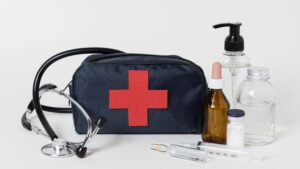
What to Do After a Snake Bite in Nigeria
Call for help immediately. Send someone to arrange emergency transportation while you provide first aid. Time is critical with venomous snake bites.
Keep the victim calm and still. Movement speeds venom circulation through the body. Have the victim lie down and keep the bitten limb below heart level if possible.
Remove tight clothing and jewelry. Snake bite victims experience rapid swelling. Remove rings, watches, bracelets, or tight clothing from the affected limb before swelling makes removal impossible.
Apply pressure immobilization. Wrap a bandage firmly (but not too tight) around the entire bitten limb, starting from the bite site and working toward the heart. This slows lymphatic flow that spreads venom.
Immobilize the limb. Use a splint or stick to prevent movement of the bitten extremity. Secure it with bandages or cloth.
Mark the bite location. Circle the bite site with a pen or marker. This helps medical staff identify the wound if swelling obscures it.
Snake Bite Treatment Steps Nigeria
What NOT to do:
- Don’t cut the bite wound
- Don’t try to suck out venom
- Don’t apply ice or tourniquets
- Don’t give alcohol or medications
- Don’t waste time trying to catch or kill the snake
What TO do:
- Keep detailed notes about the snake’s appearance (color, pattern, size)
- Monitor vital signs (breathing, pulse, consciousness)
- Watch for snake bite symptoms: difficulty breathing, excessive bleeding, severe pain, swelling, numbness, nausea
Snake Bite Symptoms and Treatment Nigeria
Right after a bite, you usually feel sharp pain and see some swelling. Give it half an hour—maybe up to two hours—and things can get worse. People start feeling sick to their stomach, sometimes they throw up, breathing gets tough, vision goes fuzzy, saliva starts pouring, and numbness creeps out from the bite.
A carpet viper bite is nasty. Blood might start dripping from your gums, your nose, even from old cuts you thought had healed. The skin near the bite goes dark, almost black, where the blood vessels break down. Without help, the bleeding doesn’t stop—it just goes deeper, and that can be fatal.
Cobra and mamba bites hit the nerves. Eyelids droop, swallowing turns into a struggle, and paralysis starts spreading out from the bite, eventually shutting down your lungs.
Emergency Response for Snake Bites in Nigeria
Transport quickly but safely. Speed matters, but reckless driving that causes an accident makes the situation worse. Drive carefully while getting to medical care as fast as safely possible.
Carry the victim if possible. Walking increases blood circulation and speeds venom spread. Carry snake bite victims rather than letting them walk.
Continue monitoring. Watch for changing symptoms during transport. Be prepared to perform CPR if breathing stops.
Bring snake information. If you photographed the snake or can describe it accurately, this information helps medical staff choose the correct antivenom.
Where to Get Treatment for Snake Bite in Nigeria
Federal Medical Centers in state capitals typically stock antivenom for common Nigerian snake species. These facilities include FMC Abeokuta, FMC Keffi, FMC Yola, and others across the country.
Teaching hospitals at universities usually maintain antivenom supplies and have doctors experienced in treating snake bites. Examples include University College Hospital Ibadan, Ahmadu Bello University Teaching Hospital Zaria, and University of Nigeria Teaching Hospital Enugu.
State specialist hospitals in major cities often carry antivenom. Contact them in advance to confirm availability, as antivenom shortages occur.
Keep contact information readily available. Every household should have phone numbers for the nearest facilities with antivenom. During emergencies, having this information immediately accessible saves precious time.
Many rural areas lack nearby facilities with antivenom, requiring several hours of travel to reach treatment. This reality makes prevention and proper first aid even more critical for rural Nigerian communities.
Keeping Snakes Out of Rural Nigerian Homes
Keeping snakes out of rural Nigerian homes and village settlements isn’t a one-person job. It takes steady work, everyone pitching in, and knowing what actually works. When families stick to solid prevention habits, teach everyone—even the kids—what to watch out for, and get ready for emergencies, snake bite risk drops way down. Bottom line? It’s always easier to stop a bite from happening than to deal with one after it does.