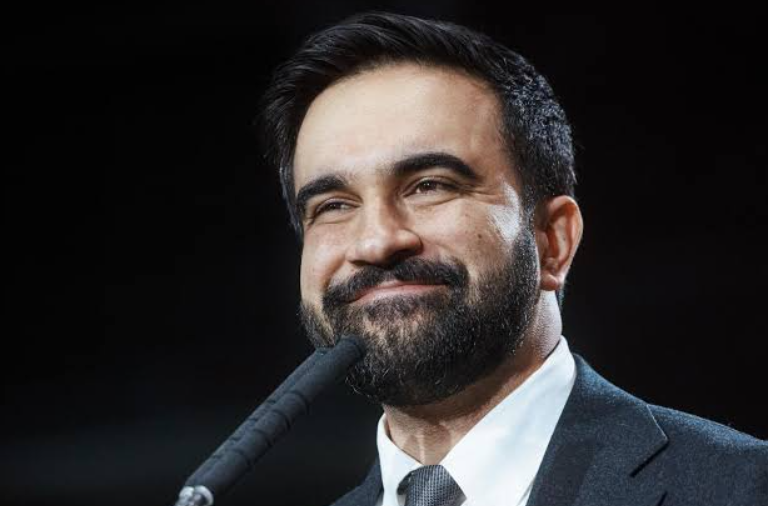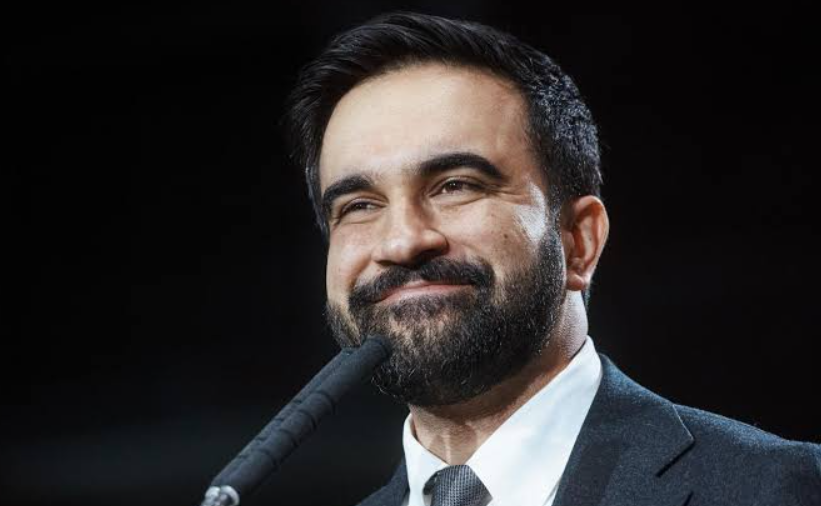
People look at Zohran Kwame Mamdani and see a lot more than just the socialist who shook up New York politics back in 2020. Sure, he toppled an establishment favorite in the New York Assembly and now, as of January 1, 2026, he’s the 112th Mayor of New York City. That’s impressive on its own, but it only scratches the surface. Mamdani’s story runs much deeper, anchored in a life shaped by border-crossing, questions, and relentless curiosity. He’s spent decades learning in classrooms from Kampala to Cape Town, Manhattan to coastal Maine. That journey didn’t just teach him facts—it gave him the tools to see injustice, build coalitions, and move from bold ideals to practical solutions. Each stop along the way—every teacher, debate, and peer group—helped craft the worldview he brings to City Hall today.
Let’s back things up to where it all began.
Family, Migration, and a Political Foundation
Zohran was born into a household where debates about empire and equity were basically background noise. His father, Mahmood Mamdani, is a heavyweight academic who returned to Uganda to reboot its intellectual life after years in exile. His mother, Mira Nair, told stories of the marginalized through her films. Living above the equator but thinking across continents, Zohran grew up in a swirl of languages: Gujarati, Hindi, Swahili, and English volleyed around the dinner table. That sort of environment trains you to question everything and see connections in all directions—lessons that show up every time he talks about culture as political strategy.
When he was five, the family moved to Cape Town. South Africa, in those days, was challenging its own history at every turn. Mahmood, now heading up UCT’s Centre for African Studies, brought Zohran right into the debates happening as a still-segregated society tried to become something new. At St George’s Grammar School, Zohran learned firsthand how school systems could draw lines or tear them down. Even as a kid, those lessons left an impression. He carried them into adulthood with a laser focus on making education in New York both fair and responsive to culture.
The family’s next stop: a small Manhattan apartment. Mahmood took up a post at Columbia, Nair kept making movies, and young Zohran explored after-school edit suites and theater rehearsals. He started at Bank Street School for Children, where the focus wasn’t just math and reading—it was community meetings, emotional intelligence, and student-driven projects that looked nothing like rote learning. Even the littlest kids were asked to hash out rules and make decisions. It was early training for any kind of organizing; you can see the DNA in Mamdani’s campaign style today.
Faith and identity didn’t stay still either. Zohran was raised in a Shia Muslim home, attended Anglican chapel in South Africa, Quaker assemblies in Manhattan, and science fairs at Bronx Science. Instead of getting lost in all the contradictions, he developed what he now calls “values pluralism.” For him, New York is full of clashing worldviews, but that’s not a problem—it’s the city’s strength, as long as government doesn’t try to flatten them into something static. Moving so much also made global politics feel personal. Currency crises in Uganda or stories about apartheid debt echoed in the struggles of New Yorkers just trying to get by. So when Mamdani uses phrases like “reparative mobility,” he’s drawing a straight line from those early comparisons to the policy fights of today.
Learning by Doing—Bank Street and Bronx Science
Bank Street wasn’t your typical school. They didn’t just teach kids what to think—they taught them how. Classes mixed grades and asked questions rooted in real, lived experience. Why do subway trains look different? Where does trash go? Teachers took students out into the streets with clipboards and into parks to observe geese, giving them a kind of street-level research mentality. Even now, Mamdani references bus routes and crosswalks to make a point about public transit equity. And at Bank Street, Friday Community Meetings doubled as school government: third graders debated budgets, wrote speeches, and learned to see themselves as organizers. Those early experiences fed directly into his belief that city budgeting should involve the people, not just politicians.
At Bronx Science, things got more intense. It’s an elite school, sure, but it’s also a microcosm of New York’s inequalities. The SHSAT admissions test, for instance, separated students in ways Mamdani has since fought to change. But that school honed his research skills—skills he’s used to break down housing problems and write policy backed by data instead of just rhetoric.
Bowdoin—Finding the Language for Justice
In college at Bowdoin, Mamdani chose Africana Studies—a move that turned heads, since people expected him to follow his dad into economics. Africana Studies gave him the tools to tackle empire, ask bigger questions, and connect oral histories with everyday life. Scholarship wasn’t just theory; through summer work with immigrant worker co-ops and primary-source research, he got into the details of organizing. He pushed for Arabic-language offerings and publicly challenged the lack of academic resources for less-represented languages. That habit of tying personal experience to policy critique shows up everywhere in his political career, from Assembly floor speeches to housing bills packed with data appendices.
He put in time organizing for Students for Justice in Palestine, rallying students, and collaborating with activists. He also moonlighted as Mr. Cardamom, throwing rhymes and satire into the mix. His love of performance—a blend of arts and politics—still comes through every time he gets up to speak.
Themes and Threads
Across all these schools, three themes keep surfacing: an anticolonial, global analysis; relentless advocacy for language access and cultural representation; and a drive to connect hard research skills to fights for equity. None of this was accidental. Academic experiences blended with community work to give Mamdani a frame for policy that is both inclusive and tough-minded.
From Theory to Street
After college, Mamdani earned a HUD certification as a foreclosure-prevention counselor. He didn’t just read about the housing crisis; he helped people fight off eviction, sometimes spending evenings picking apart the legal documents that made up America’s structural inequality mess. He treated each counseling session as both client support and field research. That habit carried over—door-knocking in campaigns became an extension of his classroom work, turning dense policy into something you break down, napkin-sketch style, at neighborhood diners. He still spends Fridays poring over new federal rules, keeping his fluency sharp.
How His Education Lives in Policy
You see the fingerprints of his education all over his mayoral agenda. Free citywide buses? That’s rooted in Bank Street’s lessons about mobility as a child’s right. The push to revamp admissions tests like the SHSAT? Bronx Science gave him firsthand experience with biased algorithms. Expanding language access for tenants? That’s a direct callback to his language activism at Bowdoin.
The Real Test
Some critics say his elite education distances him from working-class struggles. It’s not the whole picture. Bowdoin offered need-blind aid, and Mamdani juggled multiple campus jobs to get by—real-world experience that shapes his stance on city wages and job boards. His critics tend to ignore how his classroom training, paired with community practice, leads him to pragmatic action, not just theory for theory’s sake.
Zohran Mamdani never treated schooling as just a way to collect credentials. He used every learning opportunity as rehearsal for political and social change. Education, for him, is active—something you translate into concrete public good, whether you’re fighting for tenants, rewriting city admissions, or arguing for public buses. As mayor, he brings this backbone of learning into his leadership—systematic, thorough, but always rooted in real needs. For Mamdani, education isn’t a closed chapter; it’s the very foundation of how he governs New York.
About the Author