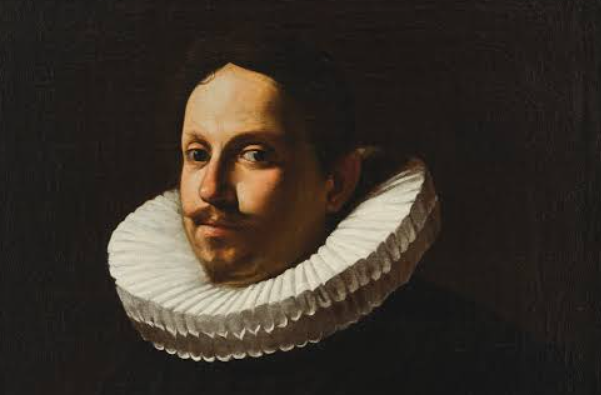
Michelangelo Merisi da Caravaggio was born on September 29, 1571, near Milan. People mostly know him as Caravaggio—the painter who brought art alive with intense realism and dramatic, theatrical lighting. He worked across Rome, Naples, Malta, and Sicily from 1593 until he died in 1610, blazing a path that helped define the Baroque style. Caravaggio’s trick was to pull ordinary folks from the streets and turn them into saints and sinners on canvas, using sharp contrasts of light and shadow. His approach changed the way people painted for generations—artists like Rembrandt saw what Caravaggio could do and took notes.
He wasn’t just an artist; he was a troublemaker too. Even as a leading painter, always in demand, Caravaggio’s reputation for brawling and run-ins with the law often landed him in court.
Early Life
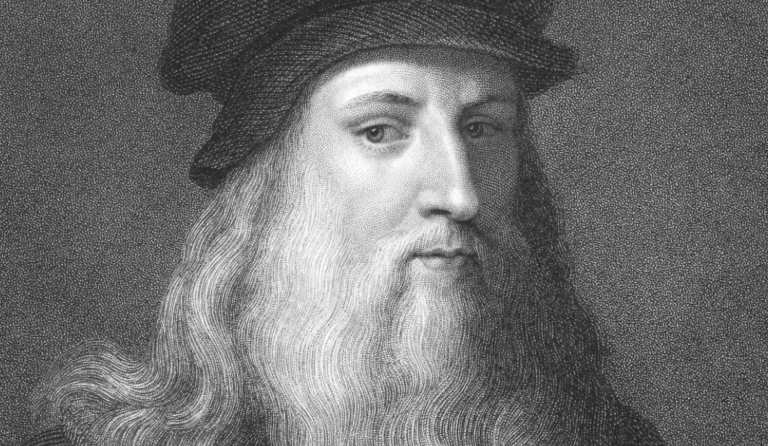
When he was six, his family moved to the town of Caravaggio. Not long after, the plague hit and took his father and grandfather. He started out apprenticed to Simone Peterzano in Milan, and through Peterzano, Caravaggio probably got a glimpse of Leonardo da Vinci’s influence and other Lombard artists. By 1592, another dust-up with the police sent him packing to Rome. But that move ended up being a stroke of luck—Rome was booming with opportunity. The Catholic Church needed talented artists to help counter the rising tide of Protestantism, so Caravaggio walked into a city hungry for new ideas and big emotions.
By 1599, Caravaggio landed a commission that changed everything: painting for the Contarelli Chapel in San Luigi dei Francesi. He delivered three works—“The Martyrdom of Saint Matthew,” “The Calling of Saint Matthew,” and “The Inspiration of Saint Matthew.” The chapel itself was pretty dark, but Caravaggio turned that to his advantage. He set his figures aglow, highlighting their drama with sharp, holy light against deep shadows. Everyone noticed. After that, nobody questioned his talent.
The Wild Side
Still, his wild side kept following him. Caravaggio liked to drink, gamble, and fight, always with a sword strapped to his hip. His court records, packed with tales of assault and disorder, tell you almost as much about him as his paintings. In 1606, he killed a man and had to slip out of Rome, bouncing from Malta to Sicily and back to Naples, always hoping for a papal pardon. He never got far from violence—another fight in Naples left him badly scarred, inside and out. His health and mind got worse, and stories about his death swirled. He died in 1610, and nobody’s completely sure what happened: illness or one last burst of violence.
Art historians sometimes call Caravaggio the father of modern painting. He broke away from the stiff “mannerist” approach that came before and pushed art toward the emotional weight and realism of the Baroque. His use of chiaroscuro—those deep shadows and punchy highlights—set a new standard.
Set Apart
What really set Caravaggio apart was how he painted what he actually saw. No idealized models, no gloss—just real people, rough edges and all. Whether it was a Biblical scene or a piece of fruit, he gave it the same careful thought. He once said, “When I paint a picture of a flower, I take as much trouble as when depicting human figures.”
Sometimes this naturalistic approach was too much for his clients, who felt he made saints look a bit too gritty, maybe even vulgar. He liked dramatic moments—violence, blood, the head of St. John the Baptist on a platter. Even so, for a while in early 17th-century Rome, Caravaggio was the most talked-about painter around.
He lived hard, painted harder, and left art changed forever.
About the Author