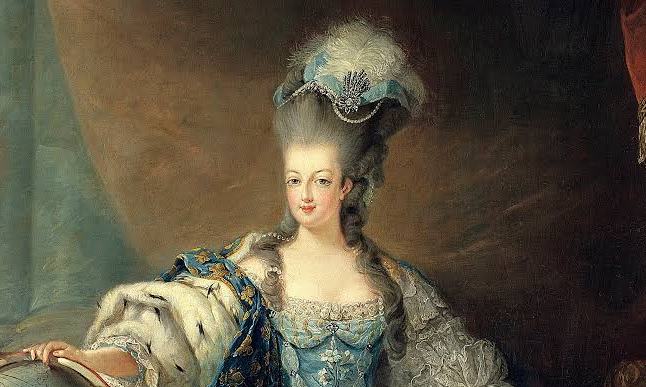
Marie Antoinette was the Austrian-born queen of France, and she became one of the most famous—and infamous—figures of the French Revolution. She married Louis XVI while still in her teens, and for many people, she symbolized the excess and privilege of the monarchy.
Marie Antoinette Early life Biography
Marie grew up in Vienna, part of the huge Habsburg family. Her father was Francis I, Holy Roman Emperor, and her mother was Maria Theresa, who ruled the Habsburg Empire. Court life in Austria was laid-back; she spent her childhood among lots of siblings and even played with commoners. Formal education? Not really. She mostly learned how to carry herself at court—dress the part, act the part. People noticed her elegance early on.
Marriage to Louis XVI
When she was 15, Marie’s family arranged for her to marry Louis, the future king of France, to seal a political alliance. She barely knew him—they’d never actually met before the lavish wedding at Versailles, attended by thousands. Her beauty and manners won people over at first.
Life at Versailles
But life in the French court was never easy for her. She was a teenager, in a foreign country, surrounded by people who eyed her with suspicion because of her Austrian roots. She struggled to bond with Louis; they spent a lot of time apart. His interests leaned toward hunting, tinkering with locks, and he just seemed immature. The French courtiers came up with nicknames for her, like “l’Autrichienne” (the Austrian woman), and rumors started flying before long.
As queen, Marie Antoinette didn’t have many official responsibilities, so she filled her days with social events and, eventually, some pretty over-the-top spending. Fashion was one thing, but she developed a taste for gambling, once playing cards for three days straight around her 21st birthday. Her mother heard about it and sent a scathing letter telling her to get her act together.
Meanwhile, France itself was simmering with unrest. People were desperate—many struggled even to put bread on the table while the royal family lived in luxury. Marie earned the nickname ‘Madame Deficit’ because of her lavish spending on gardens, jewels, and especially the Petite Trianon, a fancy retreat within the Versailles grounds. The stark gap between the royals and everyday people only grew wider.
Louis XVI tried to reform the system—shift the tax burden, curb aristocratic privilege—but the nobility and clergy blocked every effort. The press needed someone to blame, and Marie was perfect: foreign, glamorous, and an easy scapegoat as “Madame Veto.” Historians still debate how involved she really was in political decisions; she probably just stood by her husband rather than driving the resistance to change.
Personal gossip about Marie spiraled out of control, too. Stories spread about possible affairs, and more than once she was called the “Austrian Whore.” The reality seems tamer—she might have had only one real lover, Count Axel Fersen from Sweden, and even that’s not certain. The real scandal in the eyes of the court was probably her long wait before finally bearing children, since for years Louis showed little interest in married life.
Children and heirs
Eventually, Marie and Louis had children—a daughter and two sons. When her first son, the Dauphin, was born, everyone breathed a sigh of relief. Yet whispers of illegitimacy dogged her after her second son was born, and her purchase of another grand chateau, Saint-Cloud, stirred public outrage.
French Revolution
Economic troubles boiled over. By late 1789, angry crowds marched to Versailles and forced the royal family to relocate to Paris, essentially making them prisoners in the Tuileries. Revolution swept through France, and Marie became a national villain—a symbol of tone-deaf wealth while ordinary people starved.
In 1791, desperate, she and Louis tried to escape to the Austrian border. They failed, and now even more people believed they were traitors. France declared war on Austria, lost, and again, people blamed Marie. Soon the family was locked away in the Temple prison. In 1793, her son was taken from her; a few months later, she was put on trial for treason and sentenced to die.
On her last night, Marie Antoinette showed a calm resolve you wouldn’t expect from the cartoonish villain her enemies painted. She wrote a letter to her sister-in-law, asking her to forgive her son for testifying against her and urging her not to seek revenge. She said she was at peace, with a clear conscience. When a priest tried to bolster her courage on the way to the guillotine, she brushed him off: “Courage? The moment when my troubles end isn’t when my courage is going to fail me.” She was 37.
Marie Antoinette’s real life and her public image are tough to separate. Yes, she lived a privileged, indulgent life—especially when compared to most people in France—but she also became a victim of myth-making and political propaganda. People still can’t agree on who she really was: selfish and out of touch, or a pawn in events far bigger than herself.
And that famous line—“Let them eat cake”? There’s no proof she ever said it. The phrase showed up in Rousseau’s writings years before the French Revolution, and probably got pinned on Marie later by people eager to make her the villain.
In the end, Marie Antoinette was a teenager thrown into the heart of French power, swept along by forces she barely understood. She loved parties and fine things, didn’t care much for reform, and became the perfect target for the revolution’s fury. Some say if she’d been tucked away in a convent, the French Revolution might never have happened; others think she was just frivolous and not very important politically. The truth probably lies somewhere between those extremes.
About the Author