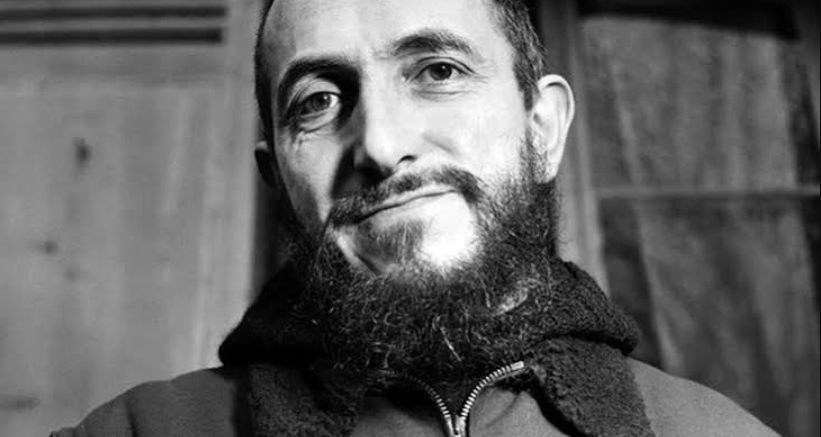
Abbe Pierre biography – (1912–2007) was one of France’s most beloved humanitarians—people voted him the country’s most popular man, over and over. He didn’t just talk about helping the homeless; he devoted his whole life to it.
Abbe Pierre Biography
Born Henri Grouès into a well-off Catholic family in Lyon, he was drawn to religion early on. In 1930, he became a Capuchin monk and stayed for eight years, but the strict lifestyle was hard on him, especially with his health issues. So he left and became a priest in Grenoble instead. When World War II broke out, Abbe Pierre joined the resistance. Hiding Jewish families from the Nazis and Vichy police, he put himself at serious risk. Eventually, they caught him, but he escaped and made his way to North Africa to join the Free French forces under Charles de Gaulle.
After the war, Abbe Pierre was elected to the national assembly. But politics didn’t suit him—he felt powerless to make any real difference. That’s when he decided to put his energy into something practical. In 1949, he founded Emmaus, a charity to help homeless people find shelter. But he saw charity differently than most. He hated the idea of giving out aid just to soothe the conscience of the rich. To Abbe Pierre, real charity gave people the tools to help themselves. As the British Emmaus group puts it, they give people “a bed and a reason to get out of it.”
Emmaus also had a bit of a left-wing feel. Abbe Pierre believed charities should use the unused excess of the wealthy to help those in need. When critics called him out for being too political, he replied, “I know nothing of left and right, the only extreme I support is upwards towards heaven.”
In the winter of 1954, when a woman died on a Paris street, Abbe Pierre went on the radio with a speech that shook the nation. “My friends, help me,” he said. “A woman has just frozen to death at three this morning, on the pavement of the Boulevard Sebastopol, clutching the document by which she was expelled from her home the day before…” People listened, and they responded. He became the voice of the homeless, a figure who crossed religious and political divides. Catholics admired him for living his faith—others liked him for challenging the Church when he saw fit. He spoke up for condoms, supported homosexual rights, and didn’t think celibacy should be forced on priests.
Abbe Pierre never cared for the fame that came his way. He slipped out of the spotlight for years, retreating to a quieter life. But in the 1980s, when he started speaking out about homelessness again, his message still resonated. He stood firm against nationalism and criticized Jean-Marie Le Pen’s anti-immigrant rhetoric. Right to the end, he defended immigrants’ rights, especially when it came to housing.
Not everything in his life was free from controversy. Despite risking his own life to save Jewish people in the war, Abbe Pierre’s friendship with Roger Garaudy—a writer who questioned the Holocaust—landed him in hot water. Still, most people saw him as a man driven by a passionate belief in human equality.
The French public adored him; they kept voting him “most popular man” well into his old age. Eventually, he asked to be left out of the running to make space for younger heroes. Next up was Zinedine Zidane, the football star with North African roots.
Abbe Pierre’s death brought the country together. He stood out as someone who could unite people from all backgrounds. Even those wary of the Catholic Church found themselves respecting a man who put the command “do unto others as you would have them do unto you” into true action.
About the Author