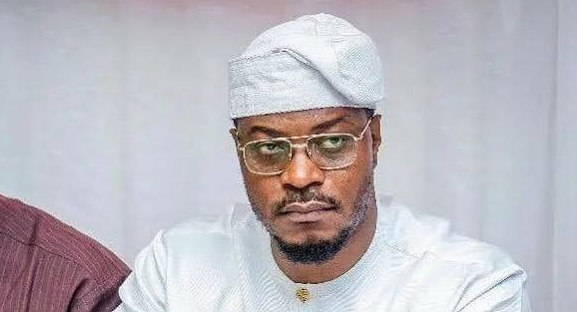
Chief Gbadebo Rhodes-Vivour Biography | GRV of Lagos
GRV | Born March 8, 1983 | Lagos Island, Lagos State, Nigeria
Full Name: Gbadebo Chinedu Patrick Rhodes-Vivour
Popularly Known As: GRV
Date of Birth: March 8, 1983 · Lagos Island, Lagos, Nigeria
Grew Up: Ikeja, Lagos
Chieftaincy Title: Obalefun of Lagos (since April 2025)
Profession: Architect · Entrepreneur · Politician · Activist
Education: University of Nottingham (B.Arch) · MIT (M.Arch) · Master of Research and Public Policy
Current Political Party: Africa Democratic Congress (ADC) (2026–present)
Previous Parties: Labour Party (2022–2025) · PDP · KOWA
Father: Justice Olawale Rhodes-Vivour (former Supreme Court Justice)
Mother: Mrs. Nkechi Rhodes-Vivour (Igbo businesswoman)
Uncle: Justice Bode Rhodes-Vivour (former Supreme Court Justice)
Wife: Dr. Ify Rhodes-Vivour née Aniebo (molecular geneticist)
Family Background — The Public Service Dynasty
You kinda can’t talk about Gbadebo Rhodes-Vivour without running through his last name’s history. The Rhodes-Vivour clan is basically one of Lagos Island’s OG families—rooted in the freed slave and Saro communities that formed the educated class way back in the 1800s.
His great-great-grandfather, William Vivour, kicks off the fam’s legacy. Even further up the family tree, you’ve got Steven Bankole Rhodes, who was only the second native Nigerian judge ever, back when Nigeria was still under colonial rule. That’s the sort of ground-zero stuff for Nigeria’s legal history. His grandfather, Akinwunmi Rhodes-Vivour, also wore the judge’s robes. And then you’ve got his uncle, Justice Bode Rhodes-Vivour, and his dad, Olawale Rhodes-Vivour—both Supreme Court heavyweights. So yeah, most families are lucky to have one judge; these guys stacked them across generations.
His mom’s Igbo—Mrs. Nkechi Rhodes-Vivour, a businesswoman. Her marriage to Olawale mixed Lagos roots with the Igbo culture, so Gbadebo grew up right at the crossroads. That blend ended up mattering big in politics later. He was born on Lagos Island but spent his childhood in Ikeja, getting to know the city inside and out—a familiarity he’d bring into his work as an architect and later as a political player.
On the personal side, he’s married to Dr. Ifeyinwa (Ify) Rhodes-Vivour—a molecular geneticist, and her dad, Brigadier Augustine Aniebo, ran Kogi and Borno as military administrator back in the day.
Education
Gbadebo started out at Chrisland Schools in Lagos, then headed abroad. He did school in Paris, wrapped things up at Ecole Active Berlin. His Bachelor of Architecture came from University of Nottingham in the UK, then he bounced over to MIT for his Master’s in Architecture—a degree that opponents tried to throw shade on during the 2023 elections (spoiler: MIT’s spokesperson confirmed he was legit). He also holds a Master of Research and Public Policy.
At MIT, he didn’t just stay buried in books. He got involved in some major projects, working with both US and Chinese governments: rebuilding New Orleans after Katrina and prepping Beijing for the Olympics. His thesis? Setting up a network of waste pickers and recycling centers across Lagos—real urban stuff, mixing architecture with his concern for Lagos’ poor.
Professional Career — Spatial Tectonics and More
After finishing school and notching experience at top Nigerian architecture firms and Franklin Ellis Architects in the UK, Gbadebo launched Spatial Tectonics, his own firm, focusing on affordable housing and innovative construction methods—solutions for Nigeria’s actual needs, not vanity projects.
He also serves on boards for Alhuda Construction Nigeria, Delta International Commercial City Ltd, Multi Development and Construction Corporation (MDCC Africa), BLOQUE, and E-TERRA Foundation. He heads up the Rhodes-Vivour Foundation too—where a lot of his community work gets organized.
Activism — Way Before Politics
Even before he jumped into politics, Gbadebo was all about activism. He founded Nigerians Against GMO—a group fighting the spread of genetically modified foods in Nigeria, even sparring publicly with the Agriculture Minister over policies. He pushed for bringing history lessons back into schools. In 2022, he teamed up with WellaHealth to give free health tests and insurance to a million Lagosians who had voter cards—connecting healthcare access with civic participation. He worked with Yiaga Africa on voter registration and anti-apathy, and was active in the #EndSARS protests in October 2020. These moves earned him the nickname “Mr Get Involved,” plus the Royal African Award from the Ooni of Ife.
Political Career
2017 — Ikeja LGA Chairmanship (KOWA Party)
His first shot at office was at the grassroots—they don’t get more local than contesting for Ikeja Local Government Area chair on the KOWA platform. Came close: Adeola grabbed 41.38%, Gbadebo nabbed 39.40%. Lost by a hair, but made himself known.
2019 — Lagos West Senate Bid (PDP)
In 2019, he went for Lagos West Senatorial under PDP, the biggest senatorial district in Lagos. Youngest major-party candidate for the district at the time. Didn’t win, but his profile got bigger and his network wider.
2023 — Lagos State Governorship Run (Labour Party)
2023 is when GRV really blew up on the national stage, riding the wave of support generated by Peter Obi’s shock Lagos win in the presidential election. GRV got tapped as Labour Party’s candidate for Lagos governor.
His campaign platform pushed for inclusive governance, affordable housing, easing Lagos traffic, energy reform, and a return to the “original spirit” of Lagos—a city for everyone. He ran with Princess Islamiyat Abiodun Oyefusi as his deputy.
Election day: March 18, 2023. Sanwo-Olu (APC) won—762,134 votes. GRV scored 312,329. It’s a big loss numbers-wise, but really, it was the strongest opposition performance in ages; all done without the ruling party’s machinery that’s dominated Lagos for decades.
He challenged the results at the Election Tribunal—case dismissed September 25, 2023. Appealed, but the appellate court in Lagos shot it down too, November 2023, over rejection of his key witness on allegations tied to deputy governor Obafemi Hamzat’s citizenship.
Aftermath — Chieftaincy, Party Moves, and 2027
April 2025 saw Gbadebo installed as Obalefun of Lagos, a Yoruba chieftaincy title. Shows how deep the Rhodes-Vivour roots go—traditional status meets modern politics.
In 2026, he ditched Labour Party and joined ADC, winning their Lagos governorship primary and setting himself up as the ADC candidate for 2027. He’s made clear he’s running again, talking about “fixing past mistakes” and keeping Lagos governance accountable, especially against Tinubu-era control. He’s also highlighted how critics of APC in Lagos often get their Yoruba heritage weaponized against them to keep them quiet.
Political watchers think his move to ADC could shake up Lagos opposition politics, maybe even spark a new anti-APC coalition heading into 2027.
Legacy—Still Unfolding
At 43, Gbadebo Rhodes-Vivour carries one of Lagos’s most historic family names, has two top-tier postgraduate degrees, and has contested four elections across three different parties without a single win. Still, he stands out as one of the loudest and legit opposition voices in Lagos—and southern Nigeria as a whole. He’s built his political rep on activism first, professional credentials second, and then electoral ambitions—a reversal of the usual Nigerian order. Whether 2027 finally gives him the governor’s seat or keeps him in the opposition will decide if his story is about steadfast perseverance or ambition stuck in waiting mode.
GRV | Born March 8, 1983 | Lagos Island, Lagos State, Nigeria Full Name: Gbadebo Chinedu Patrick Rhodes-Vivour Popularly Known As: GRV Date of Birth: March 8, 1983 · Lagos Island, Lagos, Nigeria Grew Up: Ikeja, Lagos Chieftaincy Title: Obalefun of Lagos (since April 2025) Profession: Architect · Entrepreneur · Politician · Activist Education: University…