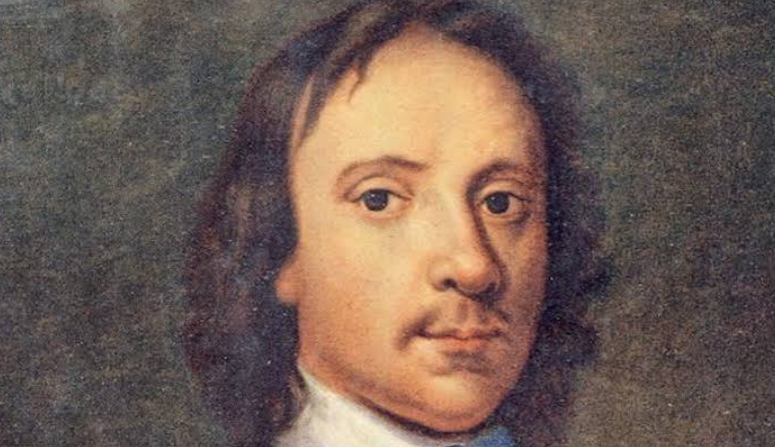
Oliver Cromwell (1599–1658) always sparks debate in British history. Some folks see him as a champion of Parliament, pushing back against a king who wouldn’t budge, and say his actions helped shape modern democracy. But plenty of others aren’t so forgiving. They focus on him grabbing power as Lord Protector, the brutal campaigns in Ireland and Scotland (some even call those genocide), and his strict brand of Puritanism. Still, during Cromwell’s rule, Jews were allowed back into Britain after centuries, and there was at least some room for different religious beliefs.
Oliver Cromwell Early Life Biography
Cromwell grew up in Cambridgeshire with a middle-class background. He went to Cambridge University and landed a seat in Parliament for Huntingdon in 1628. When civil war broke out in 1642, he joined the Parliamentarians. He started out with a small group, but soon enough, he was leading the entire Roundhead army.
He once said, “We study the glory of God, and the honour and liberty of parliament, for which we unanimously fight, without seeking our own interests… I profess I could never satisfy myself on the justness of this war, but from the authority of the parliament to maintain itself in its rights; and in this cause I hope to prove myself an honest man and single-hearted.”
Cromwell pushed Parliament to create a modern, disciplined army—the New Model Army—which turned the tide against the Royalists, especially at Naseby in 1645.
Once Charles I was defeated, Cromwell made sure the king was executed. He didn’t stop there; he kept leading his forces against opponents in Scotland and Ireland, showing little mercy. Even after his enemies surrendered, his troops often killed everyone anyway.
By 1651, Cromwell had crushed any real resistance and set up a strict Puritan parliament—sometimes called the “barebones” parliament. He quickly grew frustrated and dissolved it, then took the title of Lord Protector, refusing to become king.
Cromwell died in 1658. When the monarchy came back, his body didn’t get any rest—they dug it up and hanged it.
About the Author