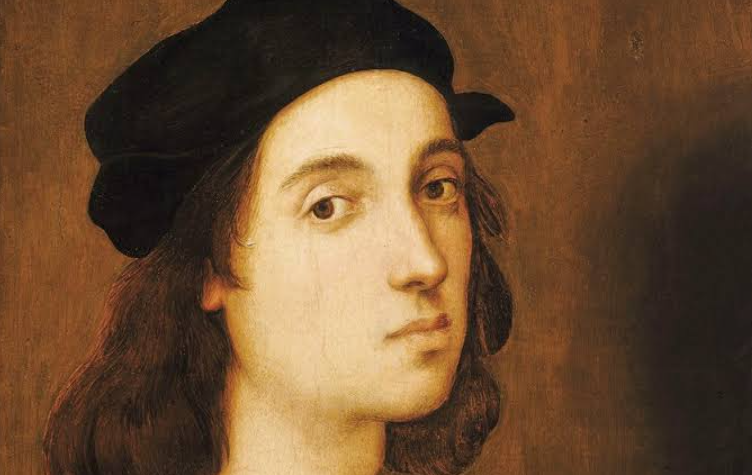
Raphael, or Raffaello Sanzio da Urbino, was born in 1483 and died in 1520. He’s celebrated as one of Italy’s greatest painters—known for his stunningly beautiful and graceful works. People often call him the “Prince of Painters” because his mastery of form and technique sets a standard everyone still admires. Raphael had a knack for bringing out grandeur and perfection in his subjects. With Michelangelo and Leonardo da Vinci, he rounds out the legendary trio of the High Renaissance.
“When one is painting one does not think.”
– Raphael
Early Life
Raphael grew up in Urbino, a small Italian city in the Marche region. His father was a court painter, and young Raphael quickly picked up both artistic skills and a broad education in the arts and literature. After losing both parents by age 11, he came under the care of a priest named Bartolomeo.
At 17, Raphael started working under the painter Pietro Perugino. He stood out right away—he picked up techniques in no time and could even copy his master’s style. Word spread fast about his raw talent and soon, important commissions came his way. By 1501, he’d earned a solid reputation and landed projects like the Mond Crucifixion.
From 1504, Raphael spent most of his time in Florence—a lively hub for artists. He met both Leonardo and Michelangelo there, and though he didn’t always get along with Michelangelo, he learned a lot from them. Raphael borrowed ideas from Leonardo, especially the trick of placing figures in triangular compositions.
While working in Florence, Raphael became the top painter at the Court of Medici. That changed when Pope Julius II called him to Rome in 1508. The Pope wanted to restore some of Rome’s old glory and chose Raphael to decorate rooms in the Vatican. The two made a great team. The Pope liked Raphael’s work so much he had older frescos replaced, giving Raphael more walls to paint.
Work
Raphael’s Vatican work covered both biblical scenes and figures from Ancient Greece. His famous “School of Athens” celebrates philosophers like Plato and Aristotle and even sneaks in a self-portrait—Raphael wearing a black cap in the corner. Though Michelangelo’s Sistine Chapel overshadowed Raphael’s Vatican work, people still see his frescos as some of the finest ever painted. There’s even a story that Raphael sneaked into the Sistine Chapel to get a look at Michelangelo’s work, then made his own sketches based on what he saw!
He kept busy outside the Vatican too, working for clients like the banker Agostino Chigi. Raphael also cared about Rome’s history—he was even given authority to protect ancient stones, doing his part to preserve inscriptions and monuments that might have been lost forever. He started an archaeological map of Rome, but he died before he could finish it.
Raphael stood out for more than just his art. He was charming, cheerful, and genuinely kind—a sharp contrast to Michelangelo’s sometimes prickly personality. Raphael could run a large workshop and somehow keep everyone happy. He found ways to patch up quarrels and smooth things over between artists and clients.
Da Vinci and Michelangelo
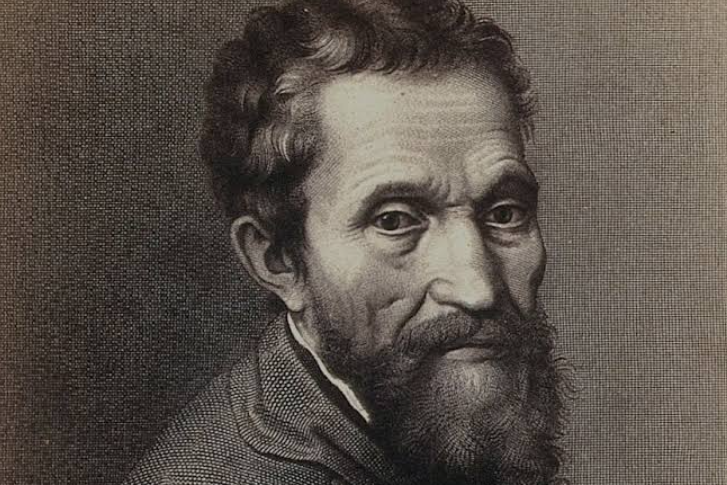
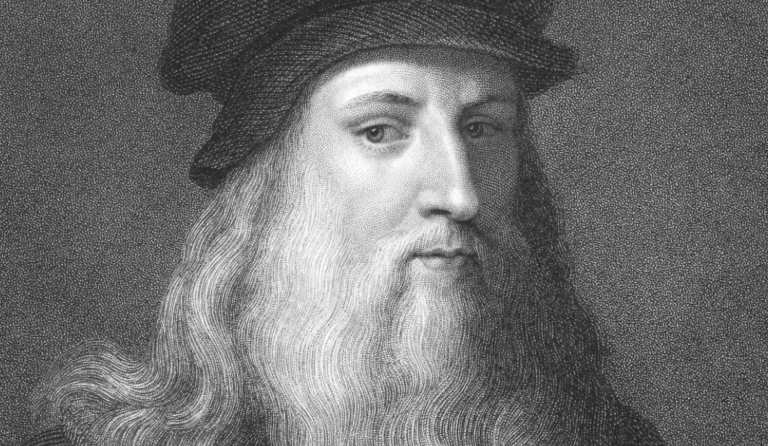
Sure, people often compare his work to Da Vinci and Michelangelo. He might not have been as outrageously inventive, but he painted with tremendous grace and dedication. He leaned toward classic ideas of beauty but also found inspiration in the styles around him.
Part of his process was to sketch out paintings roughly before he started the real thing. He’d often do several drafts for a single painting, trying out different ideas until he got it just right. On top of painting, Raphael was an accomplished architect, a talented draftsman, and—thanks to working with Raimondi—a printmaker.
As a teacher, Raphael lit a fire in his students. His art school in Rome became famous—over fifty students learned from him, and his enthusiasm raised everyone’s game. Through his school, Raphael’s emphasis on perfect form and balance spread across Italy. For years, artists everywhere were taught “the Raphael way.” Vasari, in his famous artist biographies, put it like this: “possessors of such rare and numerous gifts as were seen in Rafaello da Urbino, are not merely men, but mortal gods.”
Raphael never married, though he had a few romances along the way. According to Vasari, “He (Raphael) was a very amorous person, delighting much in women, and ever ready to serve them.” He once got engaged to Maria Bibbiena—his Cardinal uncle’s niece—but never went through with the wedding. Commissions paid well, and his role as Groom of the Chamber (a prestigious papal position) kept him financially comfortable.
Raphael died suddenly, on April 6, 1520, at just 37. The cause is a bit of a mystery—Vasari, never shy of a good story, suggested it was “excess of love.” Whatever the truth, Raphael’s funeral packed the streets. He was buried in Rome’s Pantheon, where his tombstone reads: “Here lies that famous Raphael by whom Nature feared to be conquered while he lived, and when he was dying, feared herself to die.”
A few highlights from his career?
– The “Mond Crucifixion” (1502–03), an early work reflecting Perugino’s influence.
– “Madonna in the Meadow” (1506) shows Raphael mastering the tender, serene style he became famous for, using those triangular formations he picked up from Da Vinci.
– “The Entombment,” commissioned by Atalanta Baglioni, packed real emotion and took Raphael two years—and plenty of drafts—to get just right.
Through all his art, Raphael found a way to express beauty, harmony, and humanity. Even now, centuries later, people still feel it.
About the Author